Reconciliation
Relationship and Reconciliation Guidance
For couples in difficulty and for individuals holding a relationship together alone — a calm space to think clearly before acting.
All consultations are remote, by phone, video or messaging. No in-person appointments are offered. Adults 18+ only. No particular result is promised or guaranteed. The consultation fee is US$150 (USD); terms are confirmed before booking and payment.
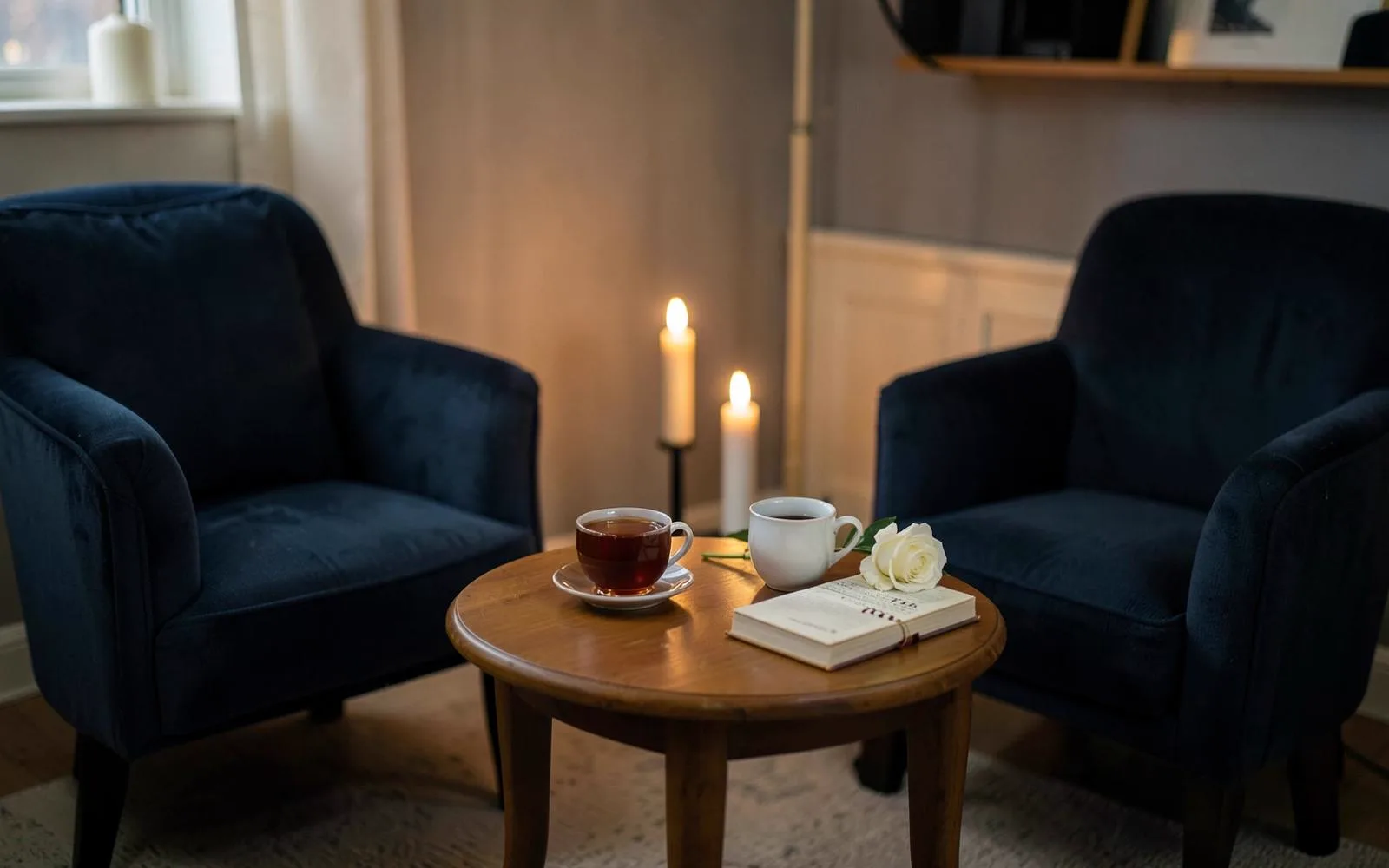
When talking has stopped working
Most relationships in trouble are not short of conversation — they are short of conversation that lands. The same argument circles back in different clothing, and both people leave it feeling less understood than before.
Guidance here begins by slowing that cycle down. What is the argument actually about? What is being protected? What has never been said because it felt too risky? These are unglamorous questions, and they are usually the useful ones.
Reconciliation without pressure
Reconciliation is treated as a possibility, not a promised result. The consultation can discuss rebuilding, separation or uncertainty without steering your decision or predicting another person's choices.
Where appropriate, traditional spiritual practice sits alongside reflection as cultural support and personal symbolism, not as a promise of courage, calm or a relationship outcome.
- Understanding the pattern beneath repeated conflict
- Preparing for a difficult conversation calmly
- Rebuilding trust at a realistic pace
- Setting boundaries that protect your own wellbeing
- Deciding honestly whether reconciliation is what you want
Where we stop and point elsewhere
If a situation involves abuse, coercion, threats or fear for your safety, spiritual guidance is not the right tool and we will say so directly, and point you toward the appropriate local services. If depression, anxiety or trauma is central, licensed therapy is the right support and we will encourage it plainly.
In detail
What a reconciliation consultation can cover
Emotional clarity
Separating what you feel in the middle of a crisis from what you consistently want over time.
Healthy communication
Practical reflection on how and when to speak, and what tends to escalate rather than resolve.
Personal reflection
An honest look at your own part in the pattern, offered without blame or judgement.
Support during separation
Reflection on your questions and boundaries during a trial separation or period of no contact.
Family considerations
Thinking through children, extended family and shared commitments with care rather than in anger.
Traditional blessing practice
Where welcomed, quiet cultural practice for peace, patience and harmony within the household.
Remote consultations
Choose how you would like to speak
Every consultation is remote, by appointment, for adults 18+ in the United States, Canada and the United Kingdom. No in-person appointments are offered. Pick the format that feels easiest; it can be changed when arrangements are confirmed.
By telephone
A spoken conversation at an agreed time. Prince Edward calls the number you give, or you call him.
Suits you if you would rather talk than type.
Request a telephone consultationBy video call
A call link is shared for the agreed time, so you can see who you are speaking with.
Suits you if you want a face-to-face feel from home.
Request a video call consultationBy written message
WhatsApp or email at your own pace, with replies arranged within the agreed consultation.
Suits you if you cannot speak freely or prefer to write.
Request a written message consultation
Questions
Common questions
Do both partners need to take part?
No. You can consult alone. Both partners may participate only where both freely agree.
Is this couples counselling?
No. This is spiritual guidance and reflection, offered as cultural practice. It is not psychotherapy or licensed counselling, and we will encourage a qualified therapist where that is the better fit.
Can you make my partner talk to me again?
No. We cannot and would not attempt to direct another person's behaviour. The consultation offers reflection on your choices, boundaries and possible communication. Neither improved communication nor reconciliation is promised.
Related guidance
Where to read next
Closely related consultations and useful reading, so you can find the right starting point.
Request a private consultation
Start with an enquiry, not a booking. The consultation fee is US$150 (USD) and covers the consultation only. Confirm the duration, scope and cancellation terms before booking and payment. Additional work is agreed separately.